
This is an in-depth assessment of the current evidence for mindfulness for cancer-related anxiety and depression. Follow the links for other information regarding mindfulness for cancer:
The findings of reliable systematic reviews (SRs) on curcumin-based interventions for cancer-related oral mucositis published in the past five years (2021-2026) have been summarized below. CAM Cancer appraised the quality of the SRs with the AMSTAR2 tool and only included SRs of moderate or high quality, while SRs of low or critically low quality were excluded. The full description of the included SRs can be found in the evidence table.
General characteristics of included studies
Number of studies: 3 systematic reviews (Berkovitz 2026; Gutsche 2025; Limbrunner 2025).
Number of RCTs per SR: From 9 to 39 RCTs. Curcumin-specific oral mucositis evidence was based on 9 RCTs (Berkovitz 2026), 13 oral-mucositis RCTs within a broader review (Gutsche 2025), and 12 curcumin oral-mucositis RCTs within a broader antioxidant review (Limbrunner 2025). Participants per SR: From 503 to 3,184 participants.
Participants: Adult cancer patients receiving chemotherapy and/or radiotherapy. Most evidence for oral mucositis was derived from patients with head and neck cancer, although broader reviews also included patients with other cancer types and stages.
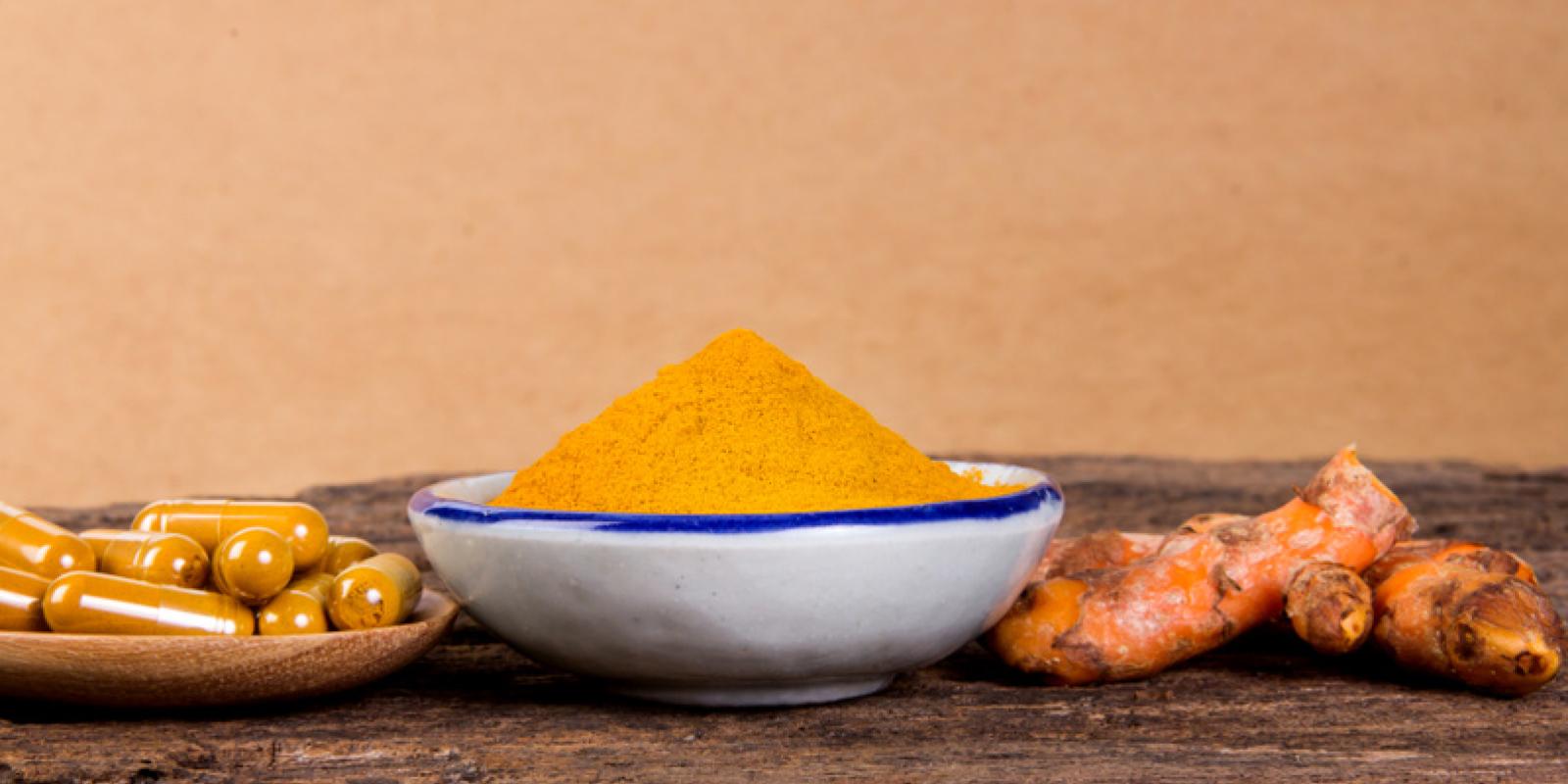
Interventions: Curcumin/turmeric delivered as oral capsules, nanocurcumin/nanomicelle capsules, mouthwash, oral rinse, gel, topical gel, and powder suspensions.
Comparators: Placebo, usual care, chlorhexidine mouthwash/gel, benzydamine mouthwash, povidone-iodine mouthwash, and other active supportive-care treatments.
Outcomes: Oral mucositis severity, incidence and onset; oral pain; weight loss; patient-reported oral symptoms; ulceration/erythema; quality of life; adverse events. Outcomes were primarily measured using WHO Oral Mucositis Scale, OMAS, RTOG, CTCAE/NCI-CTC and related oral toxicity scales.
Effects of the intervention
Oral mucositis severity
The most consistent finding across all three systematic reviews was that curcumin reduced the severity of treatment-induced oral mucositis. Benefits were observed across different formulations and comparators, particularly among patients receiving radiotherapy or chemoradiotherapy for head and neck cancer.
Berkovitz 2026 reported significant improvement in mucositis severity in 8 of 9 RCTs, including lower WHO oral mucositis scores/grades and delayed onset.
Gutsche 2025 found that 12 of 13 RCTs reported significantly lower mucositis severity with curcumin compared with placebo or active controls.
Limbrunner 2025 reported improvement in 11 of 12 curcumin RCTs, with significant benefits.
Across reviews, only a small number of studies failed to demonstrate significant benefit.
Berkovitz 2026 assessed the certainty of evidence using GRADE and rated it as low certainty. The other two reviews did not conduct formal GRADE assessments but also discussed the reliability of the results.
Time to onset of mucositis
Evidence suggests that curcumin may delay the onset of oral mucositis during radiotherapy.
Berkovitz 2026 reported that 4 out of 5 studies found later development of mucositis among patients receiving curcumin/turmeric.
Overall certainty is likely limited by the same concerns affecting the oral mucositis evidence base, including small studies and methodological limitations.
Oral pain
Curcumin generally reduced oral pain associated with mucositis, although results were somewhat less consistent than for mucositis severity.
Berkovitz 2026 found significant reductions in oral pain in 4 studies while Gutsche 2025 reported significant pain reductions in 6 of 11 RCTs. Improvements in pain generally paralleled reductions in mucositis severity.
Weight loss
Curcumin may reduce treatment-related weight loss, potentially reflecting improved oral intake and reduced mucositis-related symptoms. Berkovitz 2026 reported significantly less weight loss in 3 studies. Gutsche 2025 found that 3 of 5 RCTs showed less weight loss with curcumin, whereas 2 RCTs found no significant differences. Limbrunner 2025 also reported significant reductions in weight loss across several studies. Berkovitz 2026 rated the certainty of evidence for weight loss as low certainty using GRADE.
Adverse events
Curcumin appeared to be well tolerated, and serious adverse events were not reported.
Berkovitz 2026 reported only mild transient nausea and oral burning sensations; no serious adverse events or treatment discontinuations occurred. Gutsche 2025 noted mostly minor gastrointestinal adverse effects; only one study reported increased vomiting in the intervention group. However, many primary studies did not adequately report adverse events.
Limitations of the evidence
Quality of systematic reviews: All three reviews were assessed as moderate to moderate-high quality using AMSTAR 2. Limitations included lack of protocol registration in one review, restricted database searches, and failure to formally assess publication bias in some cases.
Common limitations across included studies (including risk of bias):
Small sample sizes and underpowered studies.
Considerable heterogeneity in cancer populations, treatment regimens, curcumin formulations, doses, routes of administration, comparators, and outcome measures.
Moderate to high risk of bias in many RCTs, particularly due to inadequate blinding, unclear randomization procedures, lack of allocation concealment, incomplete outcome data, and selective outcome reporting.
Possible publication bias and imprecision due to small studies.
Photo: mp23812986 from Mostphotos.com, licence via UiT The Arctic University of Norway.
