
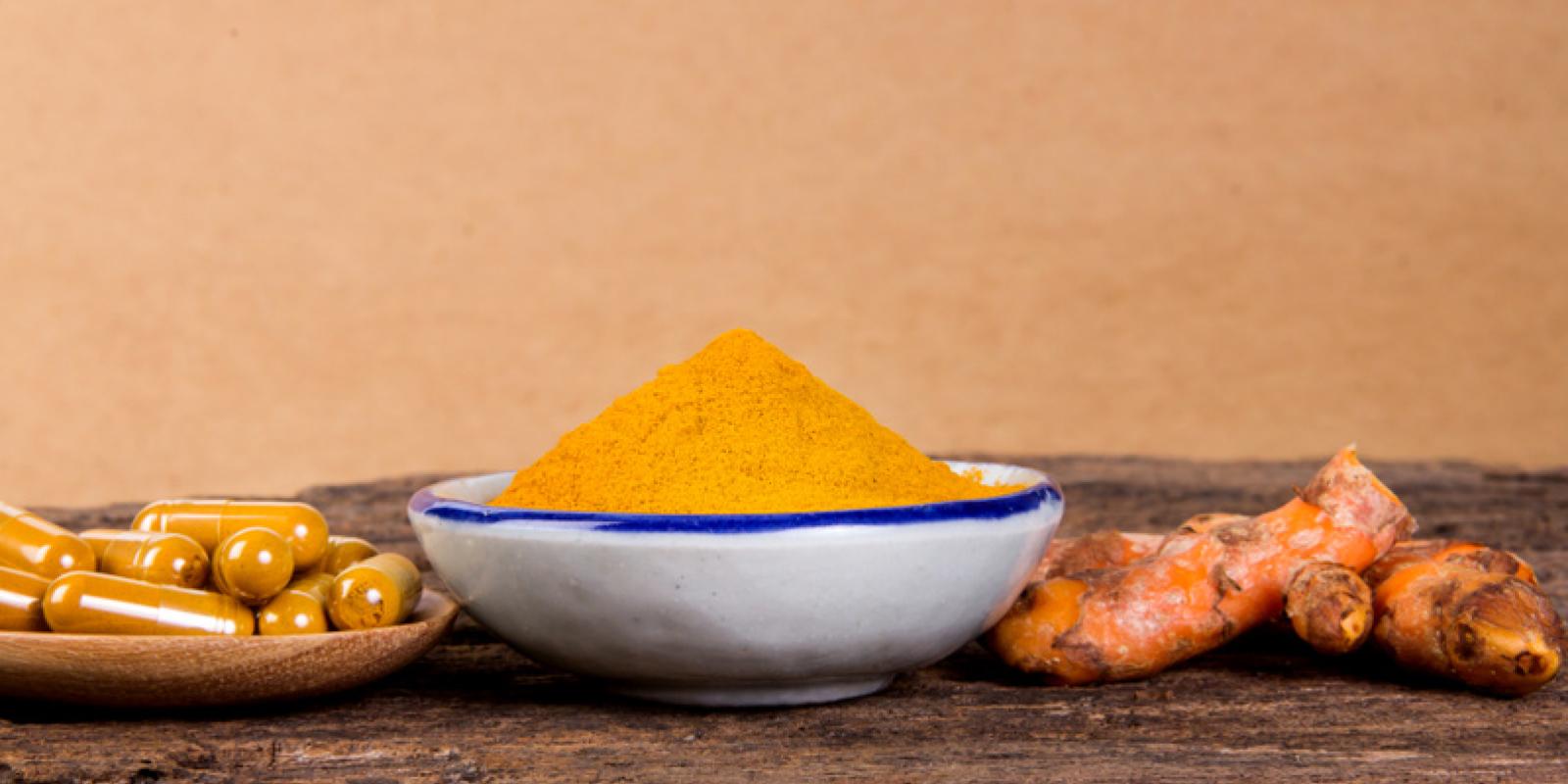
This is an in-depth assessment of the current evidence for curcumin for anticancer treatment. Follow the links for other information regarding curcumin for cancer:
The findings of reliable systematic reviews (SRs) on curcumin-based interventions for anticancer treatment published in the past five years (2021-2026) have been summarized below. CAM Cancer appraised the quality of the SRs with the AMSTAR2 tool and only included SRs of moderate or high quality, while SRs of low or critically low quality were excluded. The full description of the included SRs can be found in the evidence table.
General characteristics of included studies
Number of studies: Three systematic reviews (SRs) evaluated curcumin for anticancer activity and tumour-related outcomes (de Waure 2023, Gutsche 2025, and Limbrunner 2025).
Number of RCTs per SR:de Waure 2023: 7 RCTs with 602 participants. Gutsche 2025: 34 RCTs with 2,580 participants, four RCTs assessed survival outcomes and seven assessed tumour response. Limbrunner 2025: 39 RCTs overall with 3,184 participants, including 17 RCTs of curcumin RCTs; three thereof evaluated tumour-related outcomes.
Participants: Cancer patients with a wide range of malignancies, including colorectal cancer, prostate cancer, breast cancer, multiple myeloma, oral leukoplakia, head and neck cancers, and mixed cancer populations receiving chemotherapy, radiotherapy, or chemoradiotherapy. Most studies included adults with advanced, metastatic, or actively treated cancers.
Interventions: Curcumin administered: Orally (most common), intravenously (one trial); in combination with chemotherapy, radiotherapy, or chemoradiotherapy. In two RCTs as a standalone intervention.
Comparators: Placebo, placebo plus standard anticancer treatment, usual care, standard anticancer treatment alone, active controls in some supportive-care studies.
Outcomes: Overall survival (OS), progression-free survival (PFS), time to tumour progression (TTP), disease-free survival; objective tumour response rate (ORR); clinical response, pathological complete response (pCR), remission rates, PSA progression in prostate cancer, cancer recurrence.
Effects of the intervention
Overall, there is insufficient evidence to conclude that curcumin has clinically meaningful anticancer activity.
Overall survival
Across the three SRs, evidence for an effect of curcumin on overall survival was negative. Only one very small RCT (n=27) in colorectal cancer patients trial reported improved OS. The remaining RCTs assessing survival found no significantly prolonged benefit in the Gutsche 2025 (n=3), de Waure 2023 (n=2) and Limbrunner 2025 (n=3) SRs.
No review performed a GRADE assessment. However, findings were based on few studies with small sample sizes, substantial clinical heterogeneity, and concerns regarding methodological quality, which suggests very low to low certainty.
Progression-free survival and disease progression
The evidence consistently indicates no convincing effect of curcumin on progression-free survival or disease progression in all three SRs. Most studies found no statistically significant differences between curcumin and control groups. One RCT in prostate cancer reported a significantly lower PSA progression rate with curcumin. Again, no GRADE assessment was conducted but evidence based on few small and limited trials indicate very low certainty.
Tumour response
Evidence for improved tumour response was mixed and inconsistent. Some studies reported higher response or remission rates with curcumin, whereas most studies found no significant differences. Very low certainty.
Gutsche 2025: two out of seven RCTs reported significant benefits for objective response rate and remission rate while the other five RCTs showed no significant differences.
de Waure 2023: out of four RCTs assessing objective or clinical response, three studies reported more favourable response outcomes with curcumin while one reported worse outcomes with curcumin. In oral leukoplakia, clinical, histologic and combined response was significant.
Limbrunner 2025: Three RCTs evaluated tumour-related outcomes and no significant effects on tumour-related outcomes were observed.
Limitations of the evidence
Quality of systematic reviews: All three reviews were rated as moderate quality according to AMSTAR 2. None of the reviews conducted a GRADE assessment. Results relied primarily on narrative synthesis because meta-analysis was not feasible due to heterogeneity.
Common limitations across included studies:
Small sample sizes and underpowered trials. Several trials had substantial dropout rates or early termination.
High clinical heterogeneity regarding cancer type, disease stage, treatment setting, curcumin formulation, dose, route of administration, and outcome measures.
High or moderate risk of bias in many primary studies: Frequent issues with blinding, allocation concealment, randomisation procedures, incomplete outcome data, and selective reporting.
Overall certainty of evidence for survival, progression, tumour response and anticancer activity is very low due to risk of bias, inconsistency, imprecision, and substantial clinical heterogeneity.
Photo: mp23812986 from Mostphotos.com, licence via UiT The Arctic University of Norway.
