
This is an in-depth assessment of the current evidence for mindfulness for cancer-related anxiety and depression. Follow the links for other information regarding mindfulness for cancer:
The findings of reliable systematic reviews (SRs) on curcumin-based interventions for cancer-related radio dermatitis published in the past five years (2021-2026) have been summarized below. CAM Cancer appraised the quality of the SRs using the AMSTAR2 tool and included only moderate- or high-quality SRs; SRs of low or critically low quality were excluded. The full description of the included SRs can be found in the evidence table.
General characteristics of included studies
Number of studies: Total of 5 systematic reviews (Gutsche 2025; Limbrunner 2025; Robijns 2023; Vasconcelos 2023; Zhan 2026). /media/980
Number of RCTs per SR: From 17 to 39 RCTs. Participants per SR ranged from 1,307 to 3,392.
Participants: Adult cancer patients receiving radiotherapy or chemoradiotherapy across various cancer types. Most reviews included patients with any cancer diagnosis and stage. Head and neck cancer populations were frequently represented in curcumin studies, while some reviews included substantial numbers of breast cancer patients.
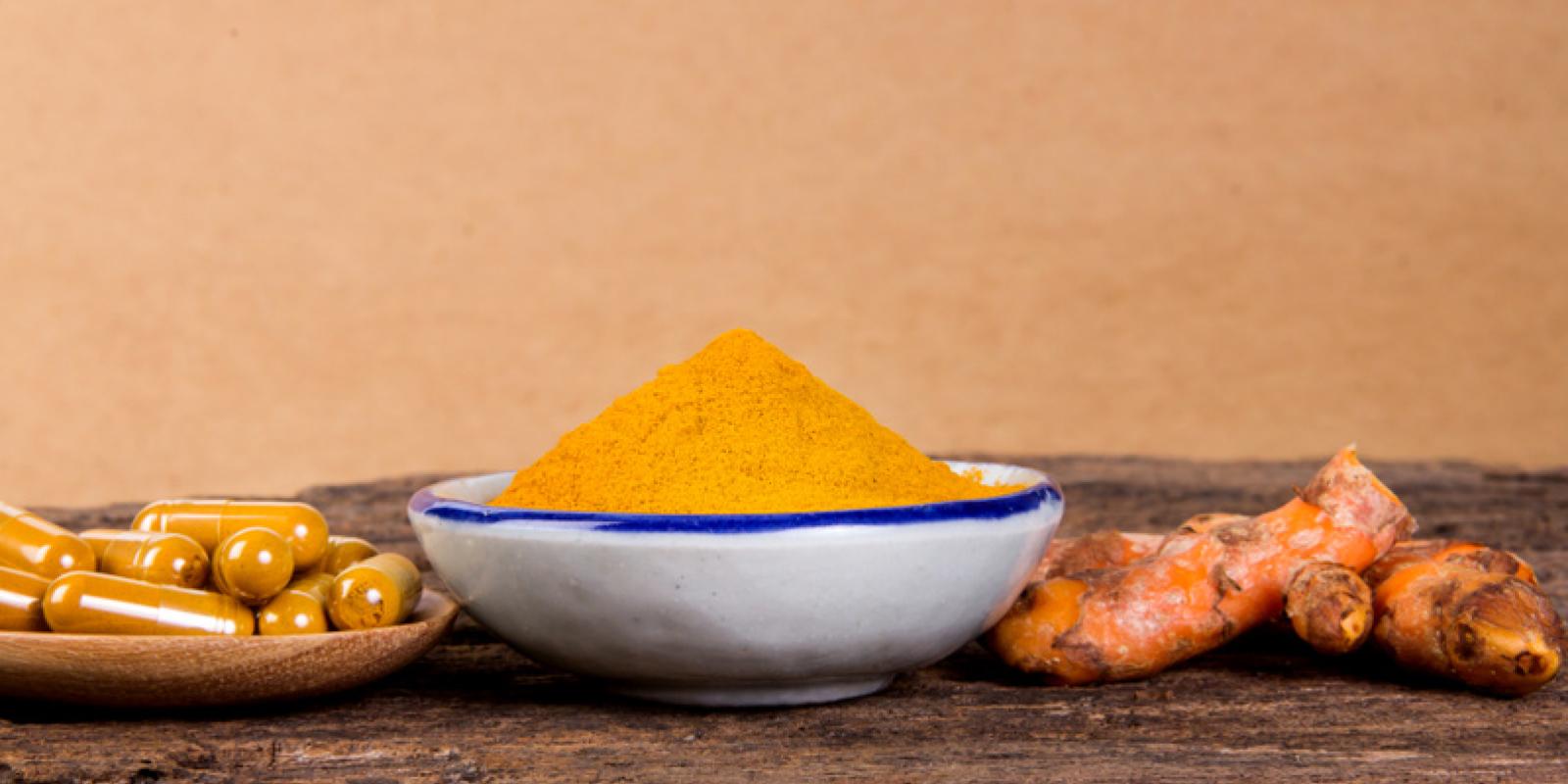
Interventions: Oral curcumin, curcuminoids, nanocurcumin, bio-enhanced turmeric capsules.
Topical curcumin preparations (gels, creams). Curcumin mouthwash and oral gels.
Interventions were administered during radiotherapy or chemoradiotherapy.
Comparators: Placebo, usual care or standard skin care, no additional treatment.
Active controls including mouthwashes (chlorhexidine, benzydamine, povidone-iodine), topical preparations, baby oil, creams, and other standard supportive care interventions.
Outcomes: Incidence of radiation dermatitis/radiation-induced injury; incidence of severe radiation dermatitis (Grade ≥2 or Grade ≥3); radiation dermatitis severity scores; pain associated with radiation-induced skin injury. Quality of life and treatment-related symptoms in some reviews.
Effects of the intervention
Radiation dermatitis severity
Evidence from five systematic reviews suggests that curcumin may reduce the severity of radiation dermatitis; however, findings are inconsistent across reviews. Two narrative reviews reported positive findings in some individual RCTs, whereas two SRs with meta-analyses found no statistically significant pooled effect. The curcumin-specific meta-analysis reported a significant reduction in radiation injury severity scores.
One RCT identified in two narrative systematic reviews reported significantly lower radiation dermatitis severity with curcumin compared with control while another RCT reported a significant reduction in grade 3 dermatitis after 6 weeks (Gutsche 2025; Limbrunner 2025).
A GRADE-based meta-analysis found a significant reduction in radiation injury severity scores across 17 RCTs: SMD −0.90 (95% CI −1.25 to −0.55; p<0.001) (Zhan 2026). Evidence certainty was moderate.
One SR of oral supplementation interventions found that pooled analyses of curcuminoids did not significantly reduce severe radiation dermatitis outcomes (Vasconcelos 2023). Evidence certainty for curcuminoids was moderate.
Another SR of natural agents found no significant effect of curcumin on Radiation Dermatitis Severity (RDS) scores or moist desquamation, and subgroup analyses found no significant benefit for either oral or topical curcumin (Robijns 2023). Overall certainty of evidence was mostly low to very low.
Incidence of radiation dermatitis
Evidence for the effect of curcumin on the incidence of radiation dermatitis is mixed. One meta-analysis found no significant reduction in overall radiation-induced injury incidence but a significant reduction in severe radiation-induced injury. The two other meta-analyses generally failed to show significant effects on clinically important dermatitis outcomes.
Zhan (2026) reported curcumin significantly reduced the incidence of severe radiation-induced injury (grade ≥3) in a meta-analysis of 10 RCTs: RR 0.58 (95% CI 0.46 to 0.74; p<0.001) (Zhan 2026). This corresponds to an approximate 42% relative reduction in severe events. The same review reported no statistically significant reduction in overall radiation-induced injury incidence across 11 RCTs. Evidence certainty was considered high.
Vasconcelos (2023) found no statistically significant pooled effects of oral curcuminoids on severe radiation dermatitis outcomes. Evidence certainty was moderate.
Robijns (2023) found no significant effects of curcumin on moist desquamation or dermatitis prevention outcomes and concluded that neither oral nor topical curcumin demonstrated significant preventive benefits. Evidence certainty was generally low to very low.
Pain associated with radiation dermatitis
Evidence suggests that curcumin may reduce pain associated with radiation-induced skin toxicity. Narrative reviews reported significant reductions in pain in individual trials, and one meta-analysis demonstrated significant pooled effects across pain measures. However, the evidence base remains small; analyses were based on only two RCTs in the meta-analysis and one individual trial in narrative reviews.
One RCT reported significantly lower pain scores during radiotherapy among patients receiving nanocurcumin (in Gutsche 2025). The meta-analysis reported a significant reduction in pain measured using the Numeric Rating Scale (2 RCTs): SMD −7.56 (95% CI −9.47 to −5.65; p<0.001) (Zhan 2026). Evidence certainty was high. The same review found a significant reduction in pain measured using the Visual Analogue Scale (2 RCTs): SMD −1.53 (95% CI −2.52 to −0.54; p=0.002) (Zhan 2026). Evidence certainty was moderate.
Limitations of the evidence
Quality of systematic reviews: All identified reviews were rated moderate quality according to AMSTAR-2. Common shortcomings included lack of protocol registration, lack of publication bias assessment. Only two reviews conducted formal GRADE assessments (Vasconcelos 2023; Zhan 2026).
Common limitations across included studies:
Most primary studies had high risk of bias or some concerns, mainly due to inadequate blinding, insufficient reporting of randomization and allocation concealment, incomplete outcome data, and selective reporting.
Sample sizes were generally small, limiting statistical power.
Considerable statistical and clinical heterogeneity was reported across meta-analyses because of differences in curcumin formulations (oral, topical, nanocurcumin), cancer populations, radiotherapy protocols, outcome definitions, and assessment instruments.
Safety reporting was inconsistent, and relatively few studies systematically assessed adverse events.
Photo: mp23812986 from Mostphotos.com, licence via UiT The Arctic University of Norway.
