
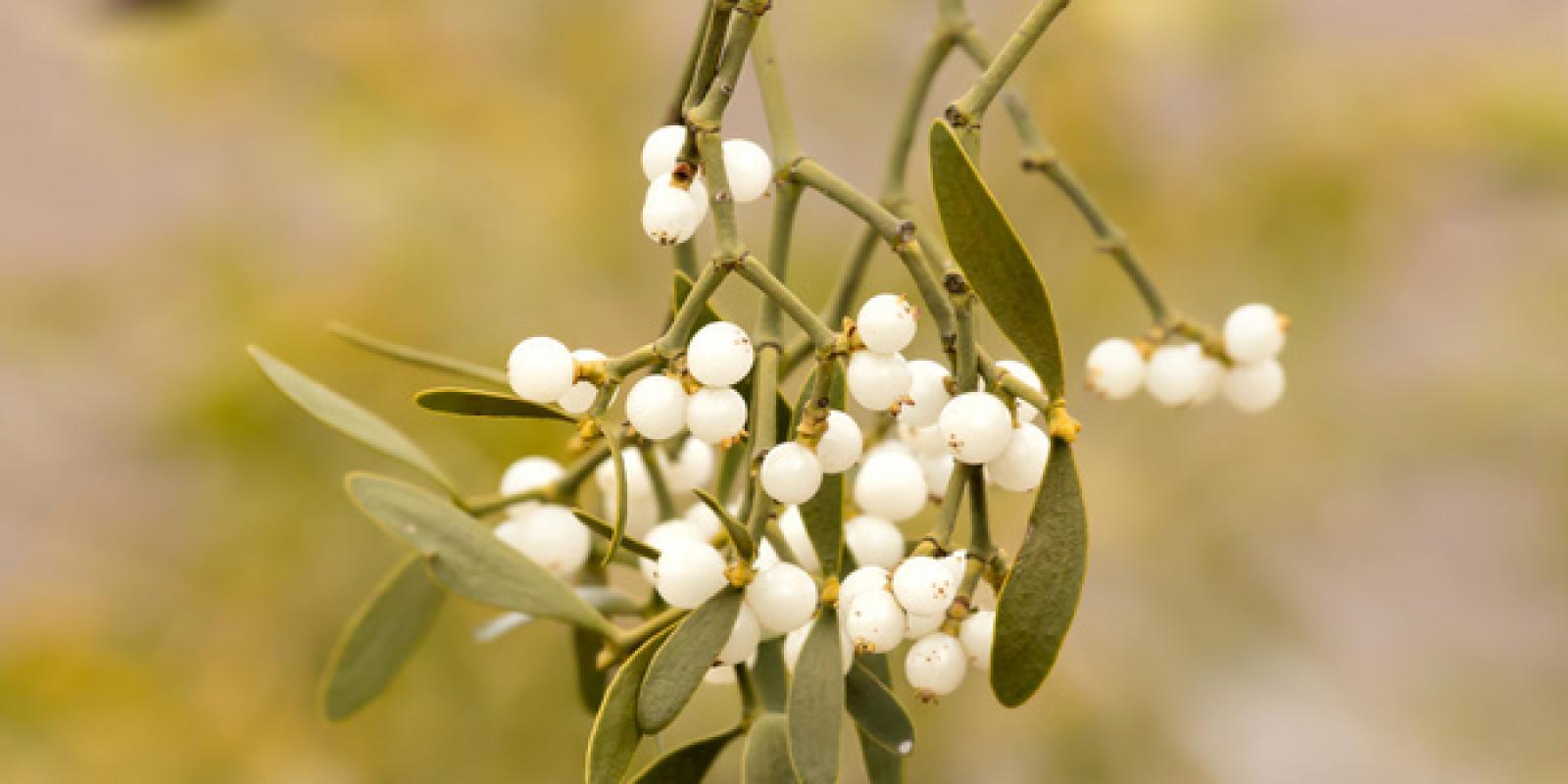
This is an in-depth assessment of the current evidence for mistletoe for anticancer treatment. Follow the links for other information regarding mistletoe for cancer:
The findings of reliable systematic reviews (SRs) on misteltoe-based interventions for cancer-related survival-related outcomes published in the past five years (2021-2026) have been summarized below. CAM Cancer appraised the quality of the SRs with the AMSTAR2 tool and only included SRs of moderate or high quality, while SRs of low or critically low quality were excluded. The full description of the included studies can be viewed in the evidence tables.
General characteristics of included studies
Number of studies: Three 3 systematic reviews (SRs) evaluating mistletoe (Viscum album) and survival-related outcomes: Loef 2022, Ostermann 2020, and Cogo 2023.
Number of RCTs per SR: ranged from 7 to 13 RCTs. Total included studies ranged from 7 to 32 studies per review. Participants per SR ranged from 633 to 13,745.
Participants: Adult cancer patients with various cancer types and disease stages, including solid tumours such as cervical, lung, colorectal, and mixed cancer populations. One review focused specifically on patients undergoing cancer surgery during the perioperative period (Cogo 2023).
Interventions: Mistletoe (Viscum album) extracts administered as adjuvant or sole treatment, including Iscador (fermented extract), Helixor, Eurixor, Isorel, Lektinol, lectin extracts, and other non-fermented preparations. Most interventions were administered subcutaneously.
Comparators: Conventional cancer treatment alone, no additional treatment, observation, best supportive care, active non-oncological controls, or placebo/comparator interventions where applicable.
Outcomes: Overall survival (OS), progression-free survival (PFS), disease-free survival (DFS), recurrence-free survival (RFS), cancer recurrence, mortality, disease progression, treatment/tumour response, and stable disease.
Effects of the intervention
No review formally applied GRADE. Overall certainty appears low to very low because of high risk of bias, lack of blinding, clinical heterogeneity, and reliance on older studies.
Overall survival (OS) / Mortality
Two meta-analyses reported statistically significant associations between mistletoe treatment and improved survival, whereas one perioperative review found no evidence of benefit for mortality. Evidence is consistently limited by methodological weaknesses and substantial risk of bias.
Non-fermented mistletoe preparations
Effect sizes RCTs: HR 0.81 (95% CI 0.69-0.95; p=0.01), favouring mistletoe.
Non-randomised studies: HR 0.63 (95% CI 0.40-1.01; p=0.05), borderline statistical significance.
Authors noted that when studies with active controls were included, the overall effect was no longer statistically significant. (Loef 2022)
Iscador (fermented mistletoe extract)
Pooled survival estimate: HR 0.59 (95% CI 0.53-0.65; p<0.0001), favouring mistletoe. Strongest effects observed in cervical cancer (HR 0.43) and weaker effects in lung cancer (HR 0.84). (Ostermann 2020)
Perioperative setting
Mortality (3 RCTs) RR 1.00 (95% CI 0.79-1.27), indicating no difference between groups. Cogo 2023
Event-free survival: PFS, DFS and RFS
Evidence for PFS, DFS, and related event-free survival outcomes was reported together with overall survival in two reviews. Results generally favoured mistletoe treatment, but separate pooled estimates for PFS and DFS were not reported.
Loef 2022 included PFS and DFS among survival outcomes and found an overall statistically significant survival benefit favouring non-fermented mistletoe extracts. Separate pooled effect estimates for PFS and DFS were not provided.
Ostermann 2020 included DFS, PFS, RFS, and related event-free survival endpoints in the pooled survival analysis, reporting an overall HR 0.59 (95% CI 0.53-0.65; p<0.0001). Separate event-specific estimates were not reported.
Evidence from the perioperative setting did not demonstrate a reduction in recurrence risk with mistletoe treatment.
Recurrence (3 RCTs): RR 1.03 (95% CI 0.79-1.33), showing no statistically significant difference between groups. (Cogo 2023)
Tumour response / treatment response
Evidence regarding tumour response was very limited. Cogo 2023 included treatment response and stable disease among outcomes of interest, but no pooled effect estimates or statistically significant improvements were reported.
Limitations of the evidence
Quality of systematic reviews
AMSTAR-2 assessments ranged from low-moderate to moderate-high quality. Common weaknesses included absence of protocol registration, limited reporting of control interventions, and substantial clinical heterogeneity.
Common limitations across included studies
A SR assessed the influence of the methodological quality of controlled studies on the results of a MA regarding overall survival. Overall, the analysis led to a significant result in favour of mistletoe therapy (overall HR = 0.61 with 95% CI [0.53;0.7]). According to our subgroup analysis of randomized studies, studies of higher quality (lower risk of bias) did not lead to a significant result in favour of mistletoe therapy (HR = 0.78; CI = [0.30; 2.00]).
Substantial clinical heterogeneity in cancer type, stage, intervention formulations, dosage, treatment duration, and concomitant therapies.
Reliance on older studies, some conducted more than 40 years ago
Small numbers of studies and events for several outcomes.
Inconsistent outcome reporting and limited reporting of progression and tumour-response outcomes.
No review formally assessed certainty of evidence using GRADE.
